Rf Lifting Korea


RF lifting has emerged as one of Korea’s most sought-after non-surgical skin tightening treatments, combining advanced radiofrequency technology with Korean dermatology expertise. International patients travel to Seoul specifically for RF lifting procedures, attracted by competitive pricing, cutting-edge equipment, and clinics concentrated in Gangnam and Apgujeong districts that specialize in delivering natural, long-lasting results without the downtime associated with surgical facelifts. Discover /p>skin care clinic seoul.a Seoul aesthetic provider.

This comprehensive guide covers everything international patients need to know about RF lifting in Korea, from understanding the technology and selecting qualified clinics to navigating treatment protocols and maximizing results during your medical tourism journey. Related: /p>english speaking.

Understanding RF Lifting Technology and Mechanisms

Radiofrequency (RF) lifting utilizes controlled electromagnetic energy to heat dermal layers, stimulating collagen production and tissue remodeling. The technology operates on the principle that thermal energy delivered at specific depths triggers the body’s natural healing response, leading to skin tightening and rejuvenation over several months following treatment. See also: /p>

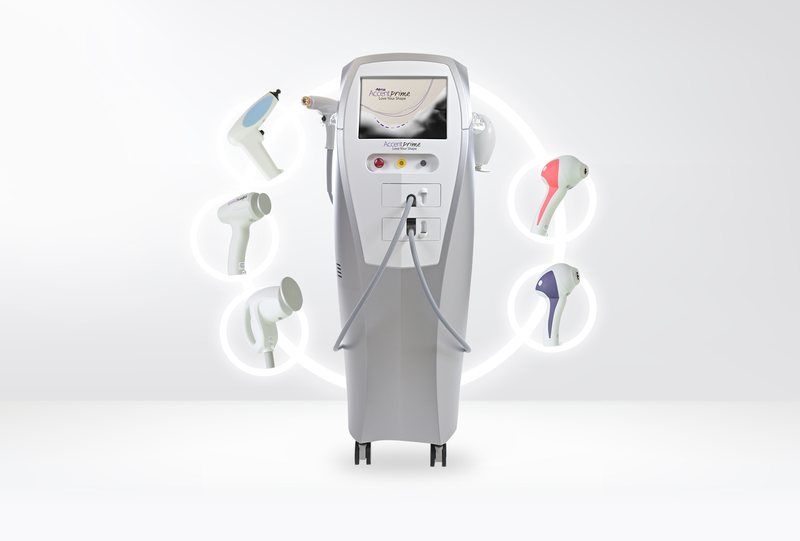
Korean clinics predominantly employ three RF technology categories: monopolar, bipolar, and fractional RF systems. Monopolar RF penetrates deepest (up to 20mm), making it effective for significant skin laxity and body contouring. Bipolar RF delivers energy between two electrodes in closer proximity, providing more controlled heating for facial treatments with minimal discomfort. Fractional RF combines radiofrequency with microneedling, creating micro-channels while delivering thermal energy directly to targeted depths. Related: /p>

Research published in the Journal of Clinical and Aesthetic Dermatology demonstrates that RF treatments induce immediate collagen contraction and stimulate neocollagenesis over 3-6 months post-treatment. Studies show collagen remodeling continues for up to six months, with optimal results typically visible 8-12 weeks after the final session. The controlled thermal injury triggers fibroblast activity, increasing collagen types I and III while improving elastin fiber architecture.

Korean medical device manufacturers like Classys, Jeisys, and Hironic have developed proprietary RF systems specifically designed for Asian skin types, though these devices are equally effective on all ethnicities. Advanced features include real-time impedance monitoring, which adjusts energy delivery based on tissue resistance, ensuring consistent results across different facial zones while minimizing complications.

Temperature control distinguishes professional RF treatments from home devices. Clinical-grade systems maintain dermal temperatures between 40-45°C (optimal collagen stimulation) while protecting the epidermis through continuous cooling mechanisms. This precision allows Korean practitioners to deliver therapeutic heating without surface burns or prolonged erythema that might occur with inadequately controlled systems.

Types of RF Lifting Procedures Available in Korea

Korean clinics offer multiple RF lifting modalities, each addressing specific concerns and skin depths. Understanding these variations helps international patients select appropriate treatments during consultation.

Thermage FLX

Thermage remains one of the most recognized monopolar RF systems globally, with FLX representing the latest generation. Korean clinics typically charge 40-60% less than Western countries for Thermage treatments while using authentic equipment certified by the Ministry of Food and Drug Safety (MFDS). The procedure requires a single session, delivering 300-1200 pulses depending on treatment areas. Results develop gradually over 2-6 months as collagen remodeling progresses.

Korean dermatologists have refined Thermage techniques for Asian facial anatomy, employing specific vectoring patterns that lift without creating the “overdone” appearance sometimes associated with aggressive treatments. Gangnam clinics specializing in Thermage often combine it with other modalities for comprehensive facial rejuvenation protocols.

Ultherapy with RF Combination

While Ultherapy itself uses focused ultrasound rather than radiofrequency, many Korean clinics offer combination protocols pairing Ultherapy with RF treatments. This synergistic approach targets multiple tissue depths: Ultherapy reaches the SMAS layer (4.5mm) while RF addresses more superficial dermal layers. The combination protocol addresses both structural lifting and skin quality improvement in coordinated treatment plans.

Fractional RF Microneedling

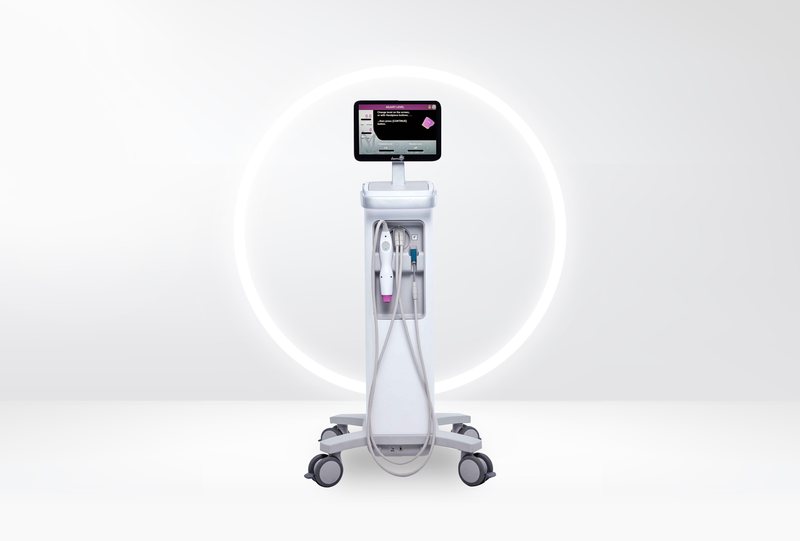
Devices like Infini, Potenza, and Secret RF combine microneedling with radiofrequency energy delivery through insulated needles. This approach allows precise depth control (0.5-4mm) and focused energy delivery to specific dermal layers while minimizing epidermal damage. Korean practitioners favor fractional RF for treating acne scars, enlarged pores, and texture irregularities alongside skin tightening.

Treatment parameters vary based on concerns: shallow depths (0.5-1mm) address fine lines and texture, mid-depths (1.5-2mm) target moderate laxity and scarring, while deeper penetration (3-4mm) provides lifting effects comparable to monopolar systems. Most protocols require 3-4 sessions spaced 4-6 weeks apart, with progressive improvement following each treatment. Read about seoul skin clinic.

Forma and Morpheus8

InMode’s Forma provides comfortable bipolar RF treatments for facial tightening with zero downtime, making it popular for international patients with limited time in Korea. Morpheus8, also from InMode, represents a fractional RF microneedling system capable of reaching up to 8mm depth, effectively treating subdermal fat and achieving body contouring results alongside skin tightening.

Korean clinics often incorporate these treatments into package protocols, alternating between deeper treatments (Morpheus8) and superficial maintenance sessions (Forma) to optimize results while accommodating patient comfort preferences and schedules.

Oligio and Tune Face

These Korean-manufactured monopolar RF systems offer alternatives to Thermage at more accessible price points while delivering comparable results. Oligio employs High Intensity Focused Radiofrequency (HIFR) technology, while Tune Face utilizes Synchronous Ultrasound Parallel Beam HIFU combined with RF. Both systems have gained popularity among Korean clinics serving international patients seeking effective treatments without premium brand pricing.

Selecting Qualified Clinics and Practitioners in Korea

Korea’s medical tourism industry includes thousands of clinics offering RF lifting, making practitioner selection critical for safety and results. International patients should prioritize specific qualifications and verification steps when researching Korean providers.

Board Certification and Specialization

Verify that practitioners hold board certification from the Korean Dermatological Association (KDA) or Korean Society of Plastic and Reconstructive Surgeons (KSPRS). These credentials require extensive training, ongoing education, and adherence to national medical standards. The Korean Association of Medical Specialists (KAMS) maintains a verification system for confirming physician credentials, though international patients may need assistance from medical tourism facilitators to navigate Korean-language resources.

Specialization matters significantly in RF treatments. Dermatologists typically possess deeper expertise in skin physiology and non-surgical rejuvenation technologies, while plastic surgeons may offer more comprehensive facial anatomy knowledge for addressing structural concerns. Many leading Korean practitioners hold dual training or have completed fellowship programs specifically in aesthetic procedures.

Clinic Infrastructure and Equipment Authentication

Legitimate Korean clinics maintain proper licensing from the Ministry of Health and Welfare (MOHW) and regional health authorities. International patients should request clinic registration numbers and verify these with Korean medical tourism agencies or consulate services when possible. Read about seoul dermatology korea.

Equipment authentication prevents exposure to counterfeit devices, a concern in medical tourism markets. Reputable clinics provide device serial numbers, maintenance records, and manufacturer certification upon request. Authentic Thermage tips include holographic verification labels, while other systems have manufacturer-specific authentication features. Korean clinics affiliated with device manufacturers often display certification plaques indicating authorized provider status.

International Patient Services

Clinics experienced with international patients provide English-speaking coordinators, translated consent forms, and consultation processes that accommodate cultural differences in medical communication. Gangnam and Apgujeong districts contain the highest concentration of clinics with established international patient departments, including services like airport pickup, accommodation assistance, and post-treatment follow-up via telemedicine.

Review verified patient testimonials specifically from international patients of similar ethnicity, as treatment parameters and result expectations may differ across skin types and aesthetic preferences. Platforms like KakaoTalk and WhatsApp consultations allow preliminary assessment and treatment planning before traveling to Korea.

Pricing Transparency and Treatment Packages

Reputable Korean clinics provide itemized pricing that separately lists consultation fees, treatment costs, anesthesia (if applicable), and aftercare products. Be cautious of clinics offering prices significantly below market rates, as this may indicate inexperienced practitioners, outdated equipment, or pressure to purchase additional services.

Standard RF lifting prices in Seoul range from 800,000-3,000,000 KRW ($600-$2,200 USD) depending on technology, treatment area, and clinic positioning. Thermage FLX typically costs 1,500,000-2,500,000 KRW per session, while fractional RF microneedling ranges from 500,000-1,200,000 KRW per session. Package deals offering multiple sessions or combination treatments provide better value for international patients planning comprehensive rejuvenation.

Treatment Process, Protocols, and What to Expect

Understanding the complete RF lifting process helps international patients prepare appropriately and maximize their limited time in Korea.

Initial Consultation and Assessment

Korean clinics typically conduct thorough consultations lasting 30-60 minutes. Practitioners assess skin condition using diagnostic tools like VISIA skin analysis systems, which document pigmentation, wrinkles, texture, and UV damage through multi-spectral photography. This objective analysis helps establish realistic expectations and track progress through subsequent treatments.

Medical history review identifies contraindications including pregnancy, active infections, autoimmune conditions, metal implants in treatment areas, and certain medications. Practitioners discuss aesthetic goals, previous cosmetic procedures, and concerns to customize treatment parameters. International patients should bring comprehensive medical records, including recent laboratory results if available.

Korean practitioners often recommend combination approaches rather than single modality treatments. For example, addressing moderate facial laxity might include fractional RF microneedling for skin texture, monopolar RF for deeper lifting, and complementary treatments like laser or injectables for comprehensive rejuvenation. These protocols are scheduled across multiple visits, requiring careful planning for international patients with limited time in Seoul.

Pre-Treatment Preparation

Most RF lifting procedures require minimal preparation compared to surgical interventions. Patients should avoid blood-thinning medications and supplements (aspirin, vitamin E, fish oil) for one week prior to treatments involving microneedling components. Retinoids should be discontinued 3-5 days before treatment to prevent excessive sensitivity.

Korean clinics typically recommend arriving with clean skin free of makeup and skincare products. Some practitioners apply topical numbing cream 30-45 minutes before fractional RF procedures, though monopolar and bipolar treatments generally don’t require anesthesia due to integrated cooling systems.

During Treatment Experience

Treatment duration varies by technology and treatment area. Monopolar RF sessions (Thermage, Oligio) typically last 60-90 minutes for full-face treatment, with practitioners passing the handpiece across designated zones in specific patterns. Patients describe sensations ranging from brief heating pulses to deeper warming, with modern cooling systems minimizing discomfort to tolerable levels.

Fractional RF microneedling sessions last 45-60 minutes including numbing time. The device creates tiny punctures while delivering RF energy, producing more intensive sensations managed through topical anesthesia. Korean practitioners frequently adjust energy levels based on real-time patient feedback and tissue response, prioritizing patient comfort while maintaining therapeutic effectiveness.

Bipolar RF treatments like Forma provide the most comfortable experience, described as warm massage sensations. These sessions typically last 30-45 minutes and allow immediate return to activities with no visible side effects.

Immediate Post-Treatment Period

Post-treatment appearance varies by modality. Monopolar RF produces mild erythema and possibly slight swelling lasting several hours. Fractional RF creates more visible effects including pinpoint bleeding, redness, and mild edema persisting 2-4 days. Korean clinics typically apply calming masks, LED light therapy, or cooling treatments immediately post-procedure to accelerate recovery and enhance comfort.

Practitioners provide specific aftercare instructions including gentle cleansing protocols, hydrating serums, broad-spectrum sunscreen, and temporary avoidance of active ingredients, extreme temperatures, and vigorous exercise. Most international patients can resume normal activities within 24-48 hours, though more aggressive fractional treatments may require 3-5 days before returning to public activities.

Results Timeline and Maintenance

RF lifting results develop progressively rather than immediately. Initial tightening from collagen contraction appears within days but represents only 20-30% of eventual results. Neocollagenesis continues for 3-6 months post-treatment, with optimal improvement visible 8-12 weeks after final sessions.

Monopolar RF typically provides results lasting 12-18 months from single treatments, while fractional RF protocols (3-4 sessions) deliver improvements maintained for 1-2 years. Korean practitioners often recommend annual maintenance treatments to sustain results, with some clinics offering international patient programs that coordinate these sessions with return visits to Korea.

Costs, Comparisons, and Medical Tourism Considerations

Korea’s competitive pricing combined with advanced technology makes RF lifting particularly attractive to international patients, though comprehensive cost-benefit analysis requires considering total trip expenses and treatment quality factors. Read about clinic seoul.

Price Comparisons by Treatment Type

Thermage FLX full-face treatment costs approximately $1,200-$1,800 USD in Seoul compared to $3,000-$5,000 USD in the United States, $2,500-$4,000 GBP in the UK, and $3,500-$5,500 AUD in Australia. This represents 50-70% savings even before considering package deals offered by Korean clinics.

Fractional RF microneedling sessions cost $400-$900 USD per treatment in Korea versus $800-$1,500 USD internationally. Given that optimal protocols require 3-4 sessions, the cumulative savings become substantial. Korean clinics frequently offer package pricing, reducing per-session costs when purchasing multiple treatments upfront.

Combination treatment protocols provide additional value. Many Gangnam clinics offer packages combining RF lifting with complementary procedures like laser treatments, chemical peels, or PRP therapy at bundled rates unavailable in Western markets. These comprehensive approaches address multiple aging concerns simultaneously while maximizing efficiency for international patients during limited Seoul visits.

Hidden Costs and Comprehensive Budgeting

International patients must budget beyond treatment costs. Round-trip airfare from major Western cities to Seoul ranges from $600-$1,500 USD depending on season and booking timing. Accommodation in Gangnam or nearby districts costs $60-$150 USD per night, with most patients staying 3-7 days depending on treatment protocols and desired recovery time before traveling. Read about more info.

Medical tourism facilitator services charge 10-20% fees but provide value through clinic vetting, appointment coordination, translation services, and emergency assistance. Some patients prefer independent arrangements using clinic-provided international coordinators, which eliminates facilitator fees while requiring more self-directed research and planning.

Travel insurance covering medical tourism varies by provider and destination. Standard policies typically exclude elective cosmetic procedures, though complications from these treatments may fall into coverage gray areas. Specialized medical tourism insurance policies address this gap but add $100-$300 USD to trip costs. Korean clinics with established international departments often maintain relationships with specific insurance providers familiar with medical tourism coverage structures.

Timing Considerations for International Patients

Treatment timing affects both results and travel planning. Single-session monopolar RF treatments allow convenient scheduling with minimal downtime, making them ideal for short Seoul visits. Patients can undergo treatment mid-trip, allowing initial recovery before departure while avoiding the need for visible recovery time at home.

Multi-session protocols like fractional RF require more complex planning. Options include scheduling all sessions during an extended Seoul stay (2-3 weeks), completing initial sessions during one trip with follow-ups during a second visit, or completing the Korean portion then finding practitioners at home for maintenance sessions. Korean clinics experienced with international patients design flexible protocols accommodating these constraints. Read about korean clinic reviews.

Seasonal considerations matter for post-treatment care. Korea’s intense summer sun (June-August) requires stringent photoprotection during recovery, while winter months (December-February) offer cooler temperatures that enhance comfort during post-treatment healing. Spring and fall provide moderate weather ideal for combining treatment with Seoul tourism activities.

Quality Indicators Beyond Price

Not all Korean clinics offering low prices deliver equivalent results or safety standards. Quality indicators include practitioner credentials verified through KAMS, equipment authentication documented through serial numbers and manufacturer certification, clinic longevity and reputation within Korea’s domestic market (not just international marketing), and transparent communication about realistic outcomes rather than guaranteed results.

Established clinics maintain English-language websites with educational content demonstrating expertise, before/after galleries showing diverse patient examples with consistent photography, and clear information about practitioner backgrounds. Social media presence showing regular activity, patient interactions, and educational posts indicates active, reputable practices rather than marketing fronts.

Safety, Side Effects, and Managing Complications

While RF lifting maintains an excellent safety profile, understanding potential side effects and complication management proves essential for international patients seeking treatment far from home medical systems.

Common Side Effects and Expected Reactions

Normal post-treatment reactions include erythema (redness) lasting several hours to days, mild edema (swelling) particularly around delicate areas like eyes, temporary skin sensitivity, and occasional bruising with microneedling-based treatments. These reactions indicate appropriate thermal injury triggering the desired collagen response and resolve without intervention following provided aftercare protocols.

Korean practitioners typically prescribe or provide post-treatment care products including gentle cleansers, hydrating serums with ingredients like hyaluronic acid and peptides, barrier repair creams, and broad-spectrum SPF 50+ sunscreens. Some clinics include LED light therapy sessions (particularly red and near-infrared wavelengths) to accelerate healing and reduce inflammation during recovery.

Uncommon but Serious Complications

Burns represent the most serious

Leave a Comment