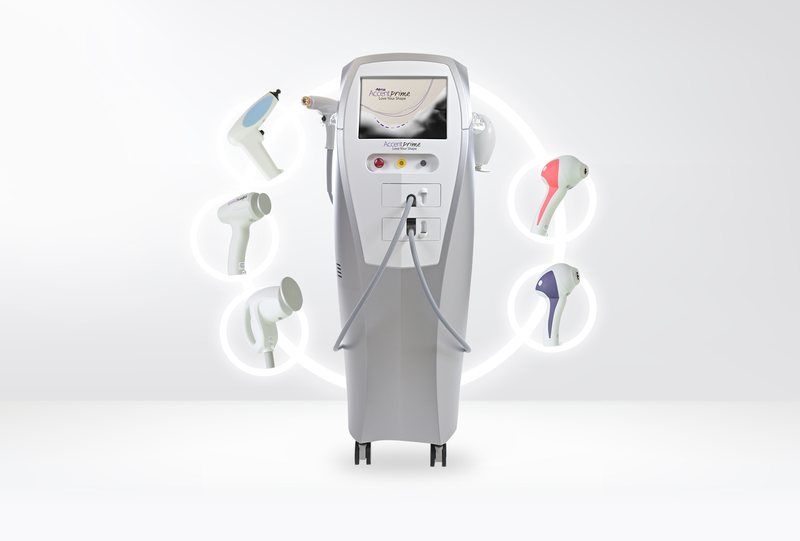
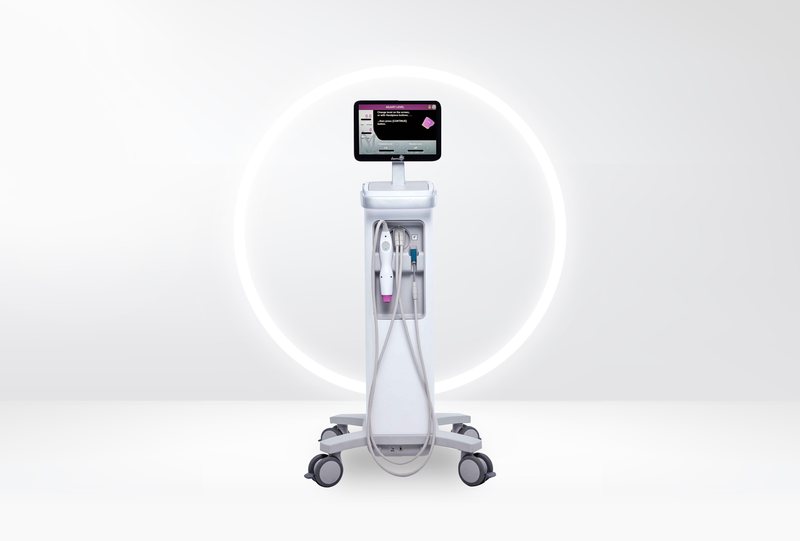
RF lifting has emerged as one of South Korea’s most sought-after non-surgical facial rejuvenation treatments, combining advanced radiofrequency technology with Korean expertise in aesthetic medicine. International patients travel to Seoul specifically for RF lifting procedures that deliver skin tightening, wrinkle reduction, and facial contouring without downtime. This comprehensive guide covers everything you need to know about RF lifting in Korea, from technology types and treatment protocols to clinic selection and expected outcomes. Discover /p>clinic seoul reviews.
Korea’s leadership in RF lifting stems from continuous innovation, affordable pricing compared to Western markets, and the concentration of experienced practitioners in Seoul’s medical districts. Clinics in Gangnam and Apgujeong have refined RF lifting techniques over thousands of procedures, offering customized treatment combinations that address individual aging concerns with precision. Related: /p>certified dermatologist seoul.
Understanding RF Lifting Technology and Mechanisms
Radiofrequency lifting uses controlled electromagnetic energy to heat dermal layers, triggering collagen remodeling and neocollagenesis. The RF energy penetrates skin at specific depths depending on the device and settings, heating tissue to therapeutic temperatures between 40-65°C while protecting the epidermis. This controlled thermal injury activates fibroblasts, stimulating new collagen and elastin production over subsequent months. Read about learn about seoul dermatology clinic.a verified Korean provider.Seoul Clinic.
Korean clinics utilize three primary RF technologies: monopolar, bipolar, and fractional RF. Monopolar RF delivers energy through a single electrode, penetrating deepest into subcutaneous tissue and reaching SMAS layer depths of 4-5mm. This makes monopolar systems particularly effective for significant skin laxity and jawline definition. Bipolar RF uses two electrodes to create a focused energy field between them, targeting superficial and mid-dermal layers at 2-3mm depths for fine lines and moderate tightening. Fractional RF combines radiofrequency with microneedling, creating controlled micro-injuries that enhance energy delivery and skin remodeling. For more on this topic, see /p>
Research published in the Journal of Cosmetic Dermatology demonstrates that RF treatments increase dermal collagen density by 20-30% over three months post-treatment, with histological evidence of organized collagen fiber restructuring. The thermal effect also causes immediate collagen fiber contraction, providing mild instant tightening that improves progressively as new collagen forms.
Korean manufacturers like Classys, Jeisys, and Hironic have developed proprietary RF systems that dominate both domestic and international markets. These devices incorporate real-time impedance monitoring, automatic temperature control, and customizable energy delivery patterns. Advanced Korean RF platforms feature multi-depth handpieces, allowing practitioners to treat various facial zones with optimized parameters during single sessions.
The distinction between RF lifting and other energy-based treatments lies in its volumetric heating capability and safety profile. Unlike lasers that target specific chromophores, RF energy affects all tissue types, making it suitable for all skin tones without pigmentation risks. This chromophore-independent mechanism makes RF lifting especially popular among diverse international patient populations seeking treatments in Korea.
RF Lifting Treatment Protocols in Korean Clinics
Korean RF lifting protocols typically consist of 3-6 sessions spaced 2-4 weeks apart, though single-session intensive treatments are available for patients with limited travel time. Initial consultations involve facial analysis using specialized imaging systems that measure skin elasticity, thickness, and laxity patterns. Practitioners assess treatment zones, set realistic expectations, and design customized protocols based on aging severity and patient goals.
Treatment begins with thorough cleansing and application of ultrasound gel or conducting medium. For fractional RF microneedling, topical numbing cream is applied 30-40 minutes before the procedure. Standard RF lifting sessions typically last 30-60 minutes depending on treatment areas. Practitioners use systematic handpiece movements with overlapping passes to ensure uniform energy distribution, adjusting parameters based on tissue response and patient comfort.
Korean clinics often combine RF lifting with complementary modalities in comprehensive facial rejuvenation programs. Common combinations include RF plus ultrasound lifting (HIFU), RF with PRP injections, or RF followed by peptide ampoule infusion. These synergistic protocols address multiple aging mechanisms simultaneously, producing enhanced outcomes compared to single-modality treatments. The combination approach reflects Korean aesthetic medicine philosophy of comprehensive facial enhancement rather than isolated problem treatment.
Post-treatment protocols in Korean clinics emphasize active recovery rather than passive healing. Patients receive professional LED light therapy immediately after RF sessions to reduce inflammation and accelerate collagen synthesis. Clinics provide specialized post-RF skincare products containing growth factors, peptides, and ceramides to optimize healing and results. Detailed aftercare instructions cover sun protection, hydration requirements, and activity restrictions.
Treatment intensity varies based on device type and target depth. Superficial RF treatments cause mild warmth with minimal discomfort, while deep monopolar RF creates more significant heating sensations. Korean practitioners excel at calibrating energy levels to maximize efficacy while maintaining tolerability, adjusting settings in real-time based on patient feedback and tissue impedance readings.
Maintenance protocols typically involve single sessions every 3-6 months after completing the initial series. Korean clinics track patient outcomes through standardized photography and objective measurements, adjusting maintenance frequency based on individual aging rates and lifestyle factors. This data-driven approach ensures sustained results and optimal long-term value. Read about korean dermatology clinic.
Choosing the Right RF Lifting Device and Technique
Korean clinics offer multiple RF platforms, each with distinct characteristics suited to specific concerns and facial areas. Thermage FLX remains the gold standard monopolar RF system, utilizing patented comfort pulse technology and bulk heating for comprehensive facial tightening. Single Thermage sessions provide results lasting 1-2 years, making it popular among international patients seeking maximum results from one treatment. Korean practitioners have extensive Thermage experience, performing procedures with precision that maximizes outcomes while minimizing discomfort.
Intracel and Infini are fractional RF microneedling systems widely used in Korean clinics for acne scarring, pore refinement, and textural improvement alongside tightening. These devices combine precise needle penetration control with radiofrequency energy delivery at target depths, creating superior collagen remodeling compared to standard RF. Treatment involves multiple passes at varying depths, customized to specific concerns. The controlled micro-injuries heal within days while triggering months of progressive improvement.
Secret RF and Sylfirm X represent newer-generation fractional RF technologies with enhanced safety profiles and expanded treatment capabilities. Sylfirm X uniquely offers both pulsed and continuous wave modes, addressing vascular components of aging and pigmentation issues alongside structural concerns. Korean dermatologists utilize Sylfirm X for complex cases involving rosacea, melasma, and mixed aging signs that benefit from dual-action treatment.
Oligio and Thermage CPT are monopolar RF systems specifically designed for body contouring and cellulite reduction, though both effectively treat facial laxity. Oligio has gained popularity in Korean clinics for its precision temperature control and patient comfort features. The system’s algorithm maintains optimal treatment temperatures throughout sessions, ensuring consistent results across treatment zones.
For patients requiring dramatic lifting without downtime tolerance for surgical procedures, Korean practitioners recommend combining monopolar RF with thread lifting or HIFU. This multi-modality approach provides mechanical support through threads while RF stimulates comprehensive tissue remodeling. The synergy produces lifting effects approaching surgical results while maintaining non-invasive status.
Device selection depends on multiple factors including skin type, laxity severity, budget, and downtime availability. Thicker skin types typically respond better to higher-energy monopolar systems, while thinner, more delicate skin benefits from fractionated approaches. Korean practitioners conduct thorough assessments to match patients with optimal technologies, sometimes recommending different devices for different facial zones within comprehensive treatment plans. Read about best seoul dermatology.
Expected Results, Recovery, and Safety Considerations
RF lifting results manifest in two phases: immediate collagen contraction producing mild tightening visible immediately post-treatment, and progressive neocollagenesis developing over 2-6 months. Patients typically notice optimal outcomes at the 3-month mark, with continued subtle improvement extending to 6 months. Realistic expectations include 20-40% improvement in skin laxity, visible jawline refinement, smoother nasolabial folds, and improved skin texture and tone.
Non-fractional RF treatments involve essentially zero downtime, with mild erythema resolving within hours. Patients can resume normal activities immediately, though sun exposure and intense exercise should be avoided for 24-48 hours. Fractional RF microneedling causes more visible recovery with pinpoint bleeding, mild swelling, and potential micro-crusting lasting 3-5 days. Korean clinics provide comprehensive recovery kits with specialized products that minimize visible downtime and optimize healing.
Side effects are generally minimal when treatments are performed by experienced practitioners. Temporary redness, mild swelling, and slight tenderness are normal and resolve quickly. Rare complications include superficial burns, hyperpigmentation, or paradoxical adipose hyperplasia, though these occur primarily with improper technique or device settings. Korean clinics’ extensive experience and conservative energy protocols minimize complication risks significantly.
RF lifting is considered safe for most patients, though certain conditions contraindicate treatment. Pregnancy, active infections, metal implants in treatment areas, pacemakers, and active skin cancers preclude RF procedures. Patients with autoimmune conditions or healing disorders should undergo thorough evaluation before treatment. Korean practitioners conduct comprehensive medical screenings and require detailed health questionnaires to identify contraindications.
Studies in Lasers in Surgery and Medicine confirm RF lifting’s safety profile across diverse populations, with serious adverse events occurring in less than 0.1% of treatments when performed by qualified practitioners. The technology’s non-ablative nature and controlled energy delivery contribute to its favorable risk-benefit ratio compared to more aggressive interventions.
Pain management in Korean clinics employs multiple strategies beyond topical anesthesia. Cooling systems integrated into RF handpieces protect epidermis while enhancing comfort. Some clinics offer pro-nox (self-administered nitrous oxide) for anxious patients or those undergoing aggressive protocols. Post-treatment discomfort is typically minimal, managed with over-the-counter analgesics if needed.
Long-term safety data spanning 15+ years of RF use demonstrates no cumulative damage or increased cancer risk. The treatment actually improves skin health through enhanced collagen organization and increased dermal thickness. Patients can safely undergo multiple treatment courses throughout their lifetime, with many Korean clinics treating patients for decades with consistently positive outcomes.
Cost Considerations and Treatment Value in Korea
RF lifting costs in Korea range from $300-2,500 per session depending on device type, treatment areas, and clinic prestige. Thermage full-face treatments typically cost $1,500-2,500, representing 40-60% savings compared to US pricing of $3,500-5,000. Fractional RF microneedling sessions range from $400-800, while standard bipolar RF treatments cost $300-600 per session. Package deals for multiple sessions offer additional 10-20% discounts.
The cost advantage extends beyond procedure pricing to comprehensive treatment value. Korean clinic packages often include consultation, pre-treatment preparation, the procedure itself, post-treatment care, professional-grade skincare products, and follow-up assessments. This bundled approach provides superior value compared to Western clinics where each service component incurs separate charges.
When calculating total investment, international patients should factor travel costs against savings and enhanced outcomes. A medical tourism trip to Seoul for RF lifting typically involves 3-7 days depending on treatment intensity and recovery needs. Combining RF lifting with other procedures during a single trip maximizes value and justifies travel investment.
Insurance does not cover RF lifting as it’s considered cosmetic, though some Korean clinics offer financing options for expensive single-session treatments like Thermage. Payment is typically required upfront or at service completion, with most clinics accepting major credit cards, cash, and international wire transfers. Some specialized medical tourism facilitators arrange payment plans for international patients.
Hidden costs are rare in Korean clinics, which provide transparent itemized quotes during consultations. Beware of unusually low prices that may indicate outdated equipment, inexperienced practitioners, or pressure to purchase additional unnecessary services. Reputable clinics in established medical districts like Gangnam and Apgujeong maintain consistent pricing structures and detailed treatment breakdowns.
The value proposition of RF lifting in Korea encompasses not just cost savings but access to cutting-edge technology, practitioner expertise, and comprehensive care protocols. Korean dermatologists and plastic surgeons perform vastly higher volumes of RF procedures than Western counterparts, translating to superior technique refinement and outcome consistency. Many Korean practitioners have performed thousands of RF treatments, developing nuanced understanding of optimal protocols for diverse patient presentations.
Selecting Qualified Clinics and Practitioners
Choosing the right clinic for RF lifting in Korea requires evaluating credentials, specialization, equipment, and patient reviews. Prioritize clinics operated by board-certified dermatologists or plastic surgeons certified by the Korean Association of Plastic Surgeons (KAPS) or Korean Dermatological Association. These specialists have completed extensive training in facial anatomy, aesthetic procedures, and complication management.
Verify that clinics are registered with the Ministry of Health and Welfare (MOHW), which regulates medical facilities and ensures safety standards. Reputable clinics display certificates prominently and provide documentation upon request. International patient coordinators should be able to explain practitioner qualifications, experience levels, and specialization areas clearly.
Equipment quality and maintenance significantly impact RF lifting outcomes. Inquire about device models, purchase dates, and maintenance protocols during consultations. Legitimate clinics use authentic branded systems rather than counterfeit equipment, with regular calibration and servicing. Korean clinics typically feature the latest RF technology generations, often before Western market availability due to domestic manufacturing advantages.
Gangnam and Apgujeong districts contain Seoul’s highest concentration of premium aesthetic clinics with international patient expertise. These areas offer advantages including English-speaking staff, streamlined processes for foreign visitors, and proximity to medical tourism infrastructure. However, excellent clinics exist throughout Seoul, and focusing solely on location may limit options unnecessarily.
Patient reviews provide valuable insights but require critical evaluation. Seek detailed accounts describing specific experiences rather than vague positive statements. Before-after photos should show multiple angles with consistent lighting, avoiding heavily filtered or manipulated images. Korean clinic websites often feature extensive photo galleries organized by procedure type, age group, and concern addressed.
Red flags include pressure tactics, unwillingness to provide detailed information, promises of unrealistic results, significantly below-market pricing, or practitioners without verifiable credentials. Reputable Korean clinics conduct thorough consultations, provide honest assessments of expected outcomes, and respect patient decision-making timelines without aggressive sales tactics. Read about seouldermatologykorea.com.
International patient services distinguish top clinics from standard facilities. Comprehensive offerings include English consultations, medical tourism visa assistance, airport pickup, accommodation recommendations, translation services during treatment, and post-departure follow-up. Some clinics employ dedicated international patient coordinators who facilitate entire treatment journeys from initial inquiry through long-term monitoring. Read about skin clinic seoul guide.
Virtual consultations have become standard at leading Korean clinics, allowing prospective patients to evaluate options before traveling. These video consultations involve detailed discussions of concerns, treatment options, expected outcomes, and cost estimates. Many clinics review submitted photos during virtual sessions, providing preliminary treatment plans that help patients make informed decisions about traveling to Korea for procedures.
Frequently Asked Questions
How long do RF lifting results last in Korea?
RF lifting results typically last 1-2 years depending on treatment intensity, individual aging rates, and maintenance protocols. Single-session monopolar treatments like Thermage provide the longest duration, while fractional RF series offer progressive improvement with 6-12 month maintenance needs. Korean clinics recommend periodic touch-up sessions to sustain optimal outcomes.
Is RF lifting painful and what is the recovery time?
Non-fractional RF causes warming sensations and mild discomfort but is generally well-tolerated with integrated cooling systems. Fractional RF microneedling involves more discomfort, managed with topical anesthesia. Recovery ranges from zero downtime for standard RF to 3-5 days of mild redness and micro-crusting for fractional treatments. For surgical options, see /p>
Can RF lifting replace facelift surgery?
RF lifting addresses mild to moderate skin laxity effectively but cannot replicate surgical facelift results for severe aging. It serves as an excellent preventive treatment, surgical alternative for appropriate candidates, or complementary procedure enhancing surgical outcomes. Korean practitioners provide honest assessments of whether non-surgical or surgical approaches better suit individual needs.
What age is appropriate to start RF lifting treatments?
RF lifting is appropriate starting in the late 20s to early 30s for prevention and early intervention, though most patients begin in their 40s when laxity becomes noticeable. Korean clinics treat patients from mid-20s through 70s, adjusting protocols based on skin condition rather than chronological age. Earlier intervention often yields more dramatic preventive benefits.
How does Korean RF lifting differ from treatments in other countries?
Korean RF lifting distinguishes itself through practitioner experience volume, advanced device access, combination treatment protocols, and comprehensive care approaches. Korean practitioners typically perform 10-20x more RF procedures than Western counterparts, refining technique significantly. Costs are 40-60% lower while quality standards remain exceptionally high.
Can RF lifting treat body areas besides the face?
RF technology effectively treats neck, décolletage, arms, abdomen, thighs, and buttocks for skin tightening and cellulite reduction. Korean clinics offer specialized body RF protocols using larger handpieces and adjusted parameters. Body treatments typically require more sessions than facial procedures due to greater surface areas and different tissue characteristics. Worth checking /p>