Recently updated | Reviewed by: Korea Medical Tourism Editorial Team
Patients visiting Korean clinics consistently report that radiofrequency skin tightening in Seoul delivers noticeably firmer, more lifted results compared to similar treatments received in their home countries — often at a fraction of the cost. According to data published by the Korea Health Industry Development Institute (KHIDI), South Korea ranked among the top five global destinations for non-invasive aesthetic procedures, with RF-based skin tightening accounting for a significant share of treatments sought by international medical tourists each year.rf lifting korea.SCCS.
Seoul, and Gangnam in particular, has become the undisputed epicenter of radiofrequency skin tightening innovation in Asia. Clinics in this district invest heavily in the latest monopolar, bipolar, and microneedling RF platforms, offering treatment protocols refined through years of high-volume clinical experience. Whether you are dealing with early jowling, loose neck skin, or fine lines across the midface, Seoul’s dermatology clinics provide a level of technology access and physician expertise that draws patients from across North America, Southeast Asia, the Middle East, and Europe every single year. See also: /p>english speaking dermatologist.
Clinical Perspective: A board-certified dermatologist practicing in Gangnam notes: “International patients often arrive expecting radiofrequency to work as a simple one-session fix, but the best outcomes we see come from a staged approach — typically two to three sessions spaced four to six weeks apart, combined with appropriate post-treatment skincare. RF energy stimulates collagen remodeling over several months, so patients need realistic timelines and proper follow-up to appreciate the full result.”rf treatment.seoul clinic compare.
What Is Radiofrequency Skin Tightening and Why Seoul?
Radiofrequency skin tightening uses controlled thermal energy delivered into the dermis and subdermis to stimulate collagen and elastin production. Unlike lasers, RF energy is not absorbed by melanin, making it a suitable option for a wide range of skin tones — a key reason it is especially popular in Asian dermatology practices. The heat generated by the RF current causes immediate collagen contraction and triggers a wound-healing cascade that continues producing new collagen for three to six months after each session. Learn about /p>
Types of RF Technology Available in Seoul Clinics
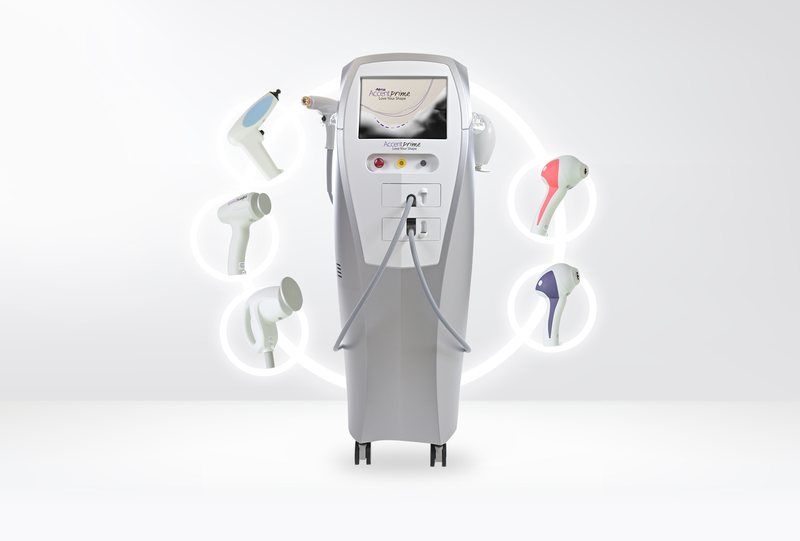
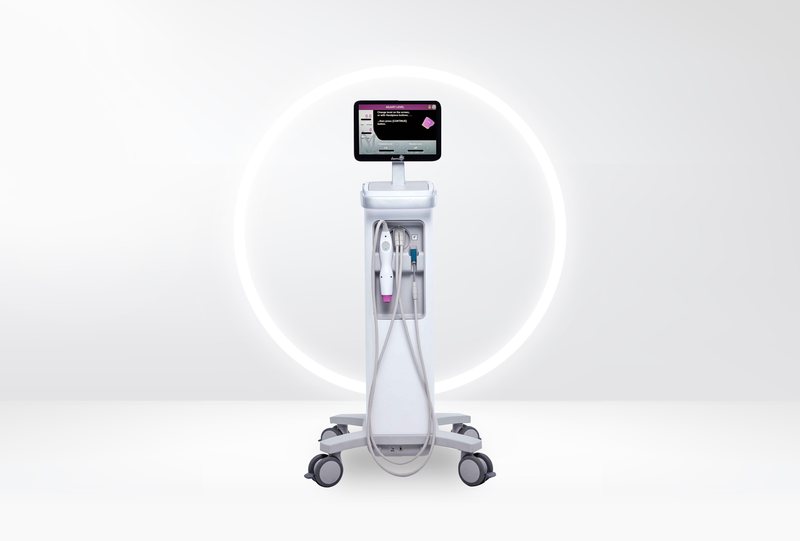
Seoul clinics commonly offer several distinct RF modalities. Monopolar RF devices such as Thermage FLX deliver energy deep into the subdermal tissue and are particularly effective for full-face and body tightening. Fractional microneedling RF systems — including Sylfirm X, Genius RF, and Potenza — combine the collagen-stimulating effects of RF with the micro-channel delivery of traditional microneedling, making them highly effective for skin texture, pore size, and early laxity. High-Intensity Focused RF (HIRF) and HIFU-RF combination devices are also widely available for patients seeking more aggressive lifting effects without surgery. The American Academy of Dermatology recognizes radiofrequency as a clinically validated non-invasive skin tightening option, and Seoul clinics operate at the cutting edge of how these devices are applied in practice.plastic surgery seoul price.
Radiofrequency Skin Tightening Prices in Seoul
One of the most compelling reasons international patients choose radiofrequency skin tightening in Seoul is the significant cost advantage over Western markets, combined with access to premium devices and highly trained specialists. Read about Skin Clinic Seoul Korea.
Price Ranges by Treatment Type
Thermage FLX (full face) typically costs between ₩600,000 and ₩1,500,000 KRW (approximately $440–$1,100 USD) per session in Gangnam clinics, compared to $3,000–$4,500 USD in the United States for the same device and treatment area. Fractional microneedling RF treatments such as Sylfirm X or Genius RF range from ₩200,000 to ₩600,000 KRW ($145–$440 USD) per session, with package deals for three or five sessions commonly available at a 15–25% discount. HIFU-RF combination treatments targeting the face and neck range from ₩400,000 to ₩1,200,000 KRW ($290–$880 USD) depending on the number of shots and the specific device platform used. Body RF tightening for areas such as the abdomen, thighs, or arms is priced between ₩300,000 and ₩900,000 KRW ($220–$660 USD) per session. Most clinics in Gangnam and Apgujeong include a complimentary skin analysis consultation before any RF procedure, which is standard practice and not an upsell. Read about korean clinic reviews.
Procedure Timeline and Recovery
A single radiofrequency skin tightening session typically takes between 30 and 90 minutes depending on the treatment area and device. Most patients experience mild redness and warmth immediately following treatment, which subsides within a few hours to 24 hours. Fractional microneedling RF may cause slightly more visible downtime — including pinpoint redness and minor swelling — lasting two to five days. There is no surgical downtime, and patients can generally return to normal activities the same day or the following morning. Full collagen remodeling results become visible approximately three to six months after the final session, which is important for patients scheduling treatment around international travel plans. Read about main reference.
Choosing the Right Clinic for RF Skin Tightening in Seoul
The density of dermatology and aesthetic clinics in Seoul’s Gangnam district is extraordinary — conservative estimates place over 500 licensed skin clinics within a 3-kilometer radius of Gangnam Station alone. This abundance creates both opportunity and the potential for confusion when selecting the right provider. Read about seoul dermatology clinic guide.
What Separates Top-Tier RF Clinics
Leading RF skin tightening clinics in Seoul will clearly display their device certifications and physician credentials. Board-certified dermatologists (피부과 전문의) should be performing or directly supervising all RF procedures. Patients should look for clinics that offer pre-treatment skin analysis using tools such as the Visia complexion analysis system, as this demonstrates a commitment to individualized treatment planning rather than a one-size-fits-all approach. Reputable clinics will also provide written aftercare protocols and offer at least one complimentary follow-up consultation included in the package price. English-language support is widely available in Gangnam’s international-facing clinics, and many provide WeChat, KakaoTalk, and WhatsApp consultation channels for overseas patients. Read about learn about korean clinic reviews.
What to Know Before You Book
Based on our research across multiple Gangnam clinics, there are several practical considerations international patients should address before committing to a radiofrequency skin tightening appointment in Seoul. Read about comprehensive guide.
First, clinics we contacted confirmed that patients with active skin infections, open wounds, metal implants in the treatment area, or pacemakers are typically contraindicated for RF treatment — disclose your full medical history in advance via the clinic’s online intake form. Second, book your RF session at least two to three days before any major event or photoshoots, as mild redness may persist, particularly after microneedling RF. Third, based on our research across multiple Gangnam clinics, the best results for significant laxity are achieved with a series of sessions rather than a single treatment — discuss a package plan during your initial consultation rather than committing to one session only. Fourth, clinics we contacted confirmed that sun avoidance and SPF 50+ application are mandatory for at least two weeks post-treatment, and failing to protect treated skin can reduce results noticeably. Fifth, verify that the clinic uses an authentic, licensed version of the device — Seoul’s regulatory environment through the Korean Ministry of Health and Welfare (mohw.go.kr) requires device certification, and asking for device documentation is entirely acceptable.
Frequently Asked Questions
How many sessions of radiofrequency skin tightening do I need in Seoul?
Most Gangnam dermatologists recommend two to four sessions for optimal collagen remodeling results, spaced four to six weeks apart. Patients with mild laxity or those using RF for maintenance may see satisfactory results after just one or two sessions. A personalized protocol will be determined during your initial skin analysis consultation. For surgical options, see /p>
Is radiofrequency skin tightening painful?
Most patients describe the sensation as a warm, deep pressure — generally well-tolerated without anesthesia for standard RF treatments. Fractional microneedling RF can cause more discomfort, and Seoul clinics routinely apply topical numbing cream 30–45 minutes before these procedures to maximize comfort. Pain tolerance varies, and you should communicate openly with your provider throughout the session. Read about seoul dermatology guide.
Can I combine radiofrequency skin tightening with other treatments in Seoul?
Yes, combining RF with complementary treatments such as Botox, fillers, or laser resurfacing is common practice in Seoul, though the sequencing and intervals between procedures will be determined by your dermatologist. Many international patients take advantage of Korea’s “combo package” culture to address multiple skin concerns in a single trip. Always disclose all planned treatments during your initial consultation to allow for safe scheduling.
How long do radiofrequency skin tightening results last?
Results from a properly conducted RF series typically last 12 to 24 months, depending on the patient’s age, skin condition, lifestyle, and adherence to post-treatment skincare. Annual maintenance sessions are recommended to sustain collagen production over time. Healthy sun protection habits and a quality moisturizing routine will significantly extend the longevity of results.
Is radiofrequency skin tightening in Seoul safe for all skin tones?
RF energy is melanin-independent, meaning it does not carry the same risk of post-inflammatory hyperpigmentation seen with certain laser treatments on deeper skin tones. This makes it an excellent option for East Asian, South Asian, Middle Eastern, and darker skin tone patients. That said, patients should always ensure their treating physician has experience with their specific skin type and document this during the consultation process. Read about top seoul dermatology.
What is the best time to visit Seoul for RF skin tightening treatment?
Spring (March–May) and autumn (September–November) are considered ideal periods to visit Seoul for RF skin tightening because cooler temperatures support comfortable post-treatment skin recovery and sun exposure is more easily managed. Summer heat and increased UV index can make post-RF sun protection more challenging. Regardless of when you travel, SPF 50+ must be applied diligently throughout your recovery period.
Related Articles
If you found this guide helpful, you may also want to explore: RF Lifting Treatment Korea: Complete Patient Guide
Related Categories
Recommended Reading
External Resources
Other helpful resources: