Fractional RF Treatment Korea: Complete Guide 2026

Recently updated | Reviewed by: Korea Medical Tourism Editorial Team

Patients visiting Korean clinics consistently report that fractional RF treatment Korea has become one of the most sought-after skin rejuvenation procedures in Seoul, with Gangnam and Apgujeong clinics seeing a measurable surge in international bookings year over year. According to the Korea Health Industry Development Institute, medical tourism related to aesthetic dermatology grew by over 23% between 2022 and 2024, with energy-based skin treatments among the top five requested procedures by foreign visitors. This statistic alone signals why Korea has become a premier destination for anyone seriously considering fractional radiofrequency therapy. Discover /p>skin care clinic seoul.

What sets Korean clinics apart is not just the technology they use, but the clinical protocols, aftercare standards, and competitive pricing that make fractional RF treatment Korea genuinely accessible for international patients. Unlike many Western markets where a single session can cost upwards of $800 USD, Seoul clinics routinely offer the same advanced equipment at a fraction of the price, with multilingual consultation teams specifically trained to accommodate overseas patients. Whether you are traveling from Southeast Asia, North America, or Europe, understanding what to expect from this procedure in a Korean clinical setting will help you make a confident, well-informed decision. Read about gangnamdermatologycenter.com.rf treatment.dermatologyinseoul.com.

Clinical Perspective: A board-certified dermatologist practicing in Gangnam notes: “Fractional RF combines the precision of radiofrequency energy with microneedling or non-ablative fractionation to remodel dermal collagen without significant downtime. For Asian skin tones in particular, it offers a safer alternative to ablative lasers, and the controlled thermal zones we can achieve with modern devices make this one of the most customizable skin tightening tools available today.”lifting korea.seoul clinic compare.

What Is Fractional RF Treatment and How Does It Work?

Fractional radiofrequency treatment delivers controlled RF energy into the dermis through either microneedles or fractionated thermal zones, triggering the body’s natural collagen remodeling process. The term “fractional” refers to treating only a fraction of the skin surface at one time, leaving surrounding tissue intact to accelerate healing. This mechanism makes it significantly different from fully ablative procedures and explains why recovery times are substantially shorter. Read about korean clinic review.rf treatment.

Types of Fractional RF Devices Used in Korean Clinics

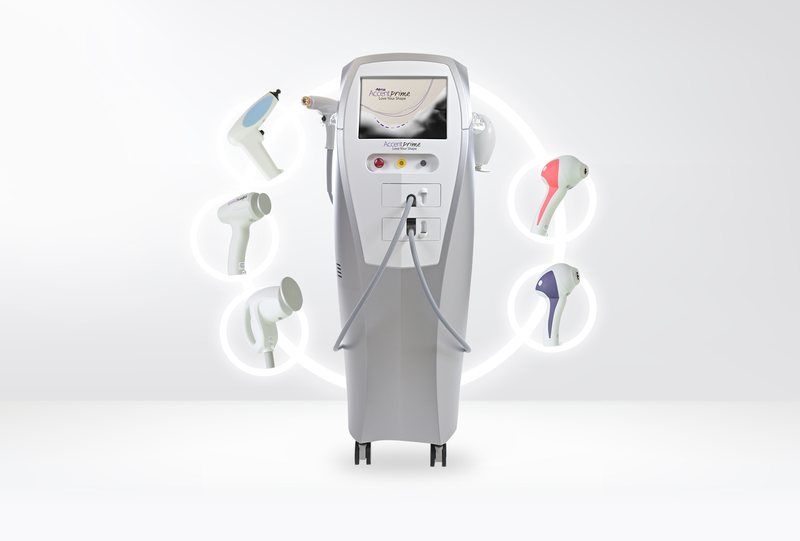
Korean dermatology clinics invest heavily in the latest generation of fractional RF platforms. The most commonly used devices you will encounter include Morpheus8, Sylfirm X, Potenza, and InMode’s Fractora. Each device operates on slightly different principles — some use insulated microneedles to protect the epidermis while heating the dermis, while others deliver bipolar or multipolar RF energy in a fractionated pattern. Sylfirm X, developed by a Korean medical device company, is especially popular in Seoul clinics due to its dual-wave technology that targets both pigmentation and structural laxity simultaneously. According to research indexed on PubMed (National Center for Biotechnology Information), fractional RF microneedling demonstrates statistically significant improvements in skin laxity, texture, and periorbital wrinkles across multiple peer-reviewed clinical trials.

Skin Concerns Treated by Fractional RF in Korea

Korean clinics typically recommend fractional RF treatment for a wide range of concerns including fine lines and wrinkles, skin laxity on the face and neck, enlarged pores, acne scars, uneven skin texture, mild pigmentation, and early signs of jowling. Many international patients combine fractional RF with other treatments during their Seoul visit, such as Ultherapy for deep tissue lifting or HIFU protocols for contouring, creating a layered approach to comprehensive skin rejuvenation. Read about main resource.

Fractional RF Treatment Korea: Cost Breakdown

One of the most compelling reasons international patients choose fractional RF treatment Korea is the pricing advantage. Costs vary depending on the device used, treatment area, session count, and the prestige of the clinic, but the ranges below reflect current market pricing as of early 2026 based on direct clinic inquiries across the Gangnam and Apgujeong districts. Read about learn about korean dermatology clinic.

Price Ranges by Treatment Area

For a full face fractional RF session using devices such as Morpheus8 or Sylfirm X, patients can expect to pay between ₩200,000 and ₩600,000 KRW per session, approximately $145 to $435 USD. Combination treatments covering the face and neck together range from ₩350,000 to ₩900,000 KRW ($255 to $650 USD). Package deals for three to six sessions — which clinics strongly recommend for optimal collagen remodeling results — are typically priced between ₩700,000 and ₩2,500,000 KRW ($510 to $1,820 USD) depending on the device and clinic tier. Boutique medical clinics in prime Gangnam locations may price individual sessions at the higher end of ₩800,000 to ₩1,200,000 KRW ($580 to $870 USD) for premium protocols using the latest generation devices with deeper needle penetration or combined modalities.

What Affects the Final Price?

Pricing is influenced by several variables: the specific RF device used, the depth and intensity settings applied, whether the session is standalone or part of a combination protocol, the experience level of the performing physician or aesthetician, and any added serums or post-procedure care products included in the package. Always request an itemized consultation quote before committing, as reputable Korean clinics will provide this without pressure.

What to Expect: Procedure Timeline and Recovery

Understanding the procedure flow helps international patients plan their Seoul itinerary more effectively. Fractional RF treatment Korea typically follows a consistent protocol across most reputable clinics, though minor variations exist based on the device and treatment depth selected. Read about top best dermatologist in seoul.

Before the Treatment

Most clinics require a skin consultation either in person or via digital consultation prior to the procedure. Topical numbing cream is applied 20 to 45 minutes before the session begins, significantly reducing discomfort. Patients are advised to arrive without makeup and to avoid retinoids, exfoliants, and sun exposure for at least five days before their appointment. The American Academy of Dermatology also recommends disclosing any active skin infections, recent cosmetic procedures, or use of blood-thinning medications prior to any RF-based treatment.best plastic surgery country.

During and After the Session

The actual treatment session for a full face typically takes 30 to 60 minutes depending on the device and coverage area. Patients experience a warm, prickling sensation during the procedure, which is generally well tolerated with topical anesthesia. Immediately following the session, mild redness and swelling are normal. Most patients experience a social downtime of 24 to 72 hours for superficial protocols, while deeper fractional RF settings may result in minor swelling or pinpoint crusting for three to five days. Skin continues to improve over a period of four to eight weeks as collagen regeneration progresses, with full results typically visible at the three-month mark.

Choosing the Right Clinic for Fractional RF in Korea

Not all clinics offering fractional RF treatment Korea operate to the same standards, and for international patients the stakes are higher given travel investment and limited follow-up access. Several key factors should guide your clinic selection. Read about comprehensive guide.

Credentials and Equipment Verification

Confirm that the clinic is registered with Korea’s Ministry of Health and Welfare, and that procedures are performed by licensed dermatologists rather than unlicensed aestheticians. The Korean Ministry of Health and Welfare maintains public records of registered medical institutions, which international patients can use to verify clinic legitimacy. Ask the clinic directly which device generation they use, how frequently equipment is maintained, and whether the physician performing the treatment has specific training in that device protocol.

Consultation Quality and Language Support

The best clinics in Gangnam and Apgujeong offer English-language consultations, written treatment plans, and dedicated international patient coordinators. If a clinic cannot clearly explain the treatment depth settings, expected outcomes, and aftercare protocol in your language, consider this a red flag regardless of how attractive the price appears.

What to Know Before You Book

Based on our research across multiple Gangnam clinics, here are the most important practical considerations for international patients planning fractional RF treatment Korea.

1. Book your consultation before arrival if possible. Clinics we contacted confirmed that international patients who submit skin photos and complete digital intake forms before traveling tend to have faster, more productive in-person consultations, reducing the total time needed in Seoul before treatment can begin.

2. Avoid combining with certain other procedures too close together. Clinics we contacted across Seoul confirmed that booking fractional RF within 72 hours of injectables like Botox or fillers is generally discouraged, as the thermal energy can affect filler distribution. Space these procedures at least one to two weeks apart.

3. Plan your visit timing carefully. Based on our research across multiple Gangnam clinics, autumn and winter months are ideal for post-treatment recovery because reduced UV exposure allows skin to heal more predictably. Sunscreen SPF 50 is mandatory for at least four weeks post-treatment regardless of season.face contouring Seoul.

4. Package deals require upfront payment — clarify refund policies. Clinics we contacted confirmed that package pricing often requires full payment at the first session. Ask explicitly about cancellation and refund terms before signing any treatment agreement, especially as an international patient who may be unable to complete all sessions during one visit.

5. Aftercare products matter — budget accordingly. Based on firsthand clinic research, most reputable Seoul clinics include a starter aftercare kit with post-procedure treatments, but ongoing use of clinic-recommended serums and SPF products adds roughly ₩50,000 to ₩150,000 KRW ($36 to $109 USD) to your overall budget.

Frequently Asked Questions

How many sessions of fractional RF treatment in Korea do I need?

Most clinics recommend a course of three to six sessions spaced four to six weeks apart for optimal collagen remodeling results. If you are visiting Korea for a short period, some clinics offer intensified protocols with two sessions scheduled during one trip, though this depends on your skin’s tolerance and the specific device used. A thorough consultation will help determine the right session count for your individual concerns. Read about cost complete.

Is fractional RF treatment safe for darker skin tones?

Yes, and this is one of the key reasons fractional RF is particularly popular in Korean clinics, which regularly treat Asian skin types across the Fitzpatrick Type III to V range. Insulated microneedle RF devices like Sylfirm X and Morpheus8 bypass the epidermis, significantly reducing the risk of post-inflammatory hyperpigmentation that can occur with ablative lasers on darker skin tones. Always confirm your Fitzpatrick skin type during consultation so the clinician can calibrate energy settings appropriately. Read about clinic seoul complete.

What is the difference between fractional RF and HIFU in Korea?

Fractional RF primarily remodels the dermis through thermal injury zones, improving skin texture, pores, fine lines, and mild laxity, with effects most pronounced in the upper and mid dermis. HIFU (High-Intensity Focused Ultrasound) delivers energy to deeper tissue layers including the SMAS layer, making it better suited for structural lifting of the lower face, jowls, and neck. Many Korean clinics combine both technologies for comprehensive rejuvenation. Your dermatologist will recommend the appropriate treatment based on the depth of concern and your overall skin condition.

Can I do fractional RF treatment in Korea if I am over 50?

Absolutely. Fractional RF treatment Korea is frequently performed on patients in their 50s, 60s, and beyond, and many international patients in this age group specifically travel to Seoul for this procedure. Older skin may require slightly more sessions and deeper settings to achieve visible results, and realistic expectations should be established during consultation. Combining fractional RF with other treatments such as skin boosters or PRP can enhance results for mature skin.

What should I avoid after fractional RF treatment in Korea before flying home?

Clinics we contacted confirmed that patients should avoid direct sun exposure, saunas, hot showers, and strenuous exercise for at least 48 to 72 hours post-treatment. Long-haul flights can be taken as early as 24 to 48 hours after a superficial session, but deeper treatments may warrant waiting 48 to 72 hours due to skin sensitivity. Keep treated skin moisturized and apply SPF 50 consistently throughout your return journey and for at least four weeks thereafter.

Related Articles

If you found this guide helpful, you may also want to explore these related resources on our site: RF Microneedling for the Face in Korea, Radiofrequency Skin Tightening in Seoul, RF Lifting Treatment Korea: Complete Guide, and RF Body Contouring in Seoul.

Medical Disclaimer: This article is for informational purposes only and does not constitute medical advice. Always consult a qualified healthcare professional before undergoing any medical procedure. Individual results and recovery times may vary.
About This Guide: Researched and written by the editorial team at RF Lifting Korea, a resource dedicated to helping international patients navigate Korea medical tourism with accurate, up-to-date information sourced from official Korean health authorities and direct clinic consultations.


Related Categories

Recommended Reading


External Resources

You may also be interested in:. Read about seoul dermatology korea.


Leave a Comment